Gateway Farm Remakings
Jan 25, 2026
On Precarity, Community, and the Work of Keeping Good Places Alive
This year at Garden Juju Collective we are working with the theme of Remakings. Not just remaking landscapes and food systems, but remaking whole projects themselves. Even the best regenerative projects often become precarious. We need to do all we can to keep them alive.
Over the past 18 months, Gateway Farm in Plymouth, Michigan, USA, came very close to closing. For a long time, we didn’t talk publicly about just how close. In this article, we’ll attempt to share that story—not as a dramatic reveal, but as an honest reflection on what it takes to keep regenerative, community-based projects alive in the real world.
Holding Two Realities at Once
From mid-2024 onwards, we found ourselves living inside two parallel realities.
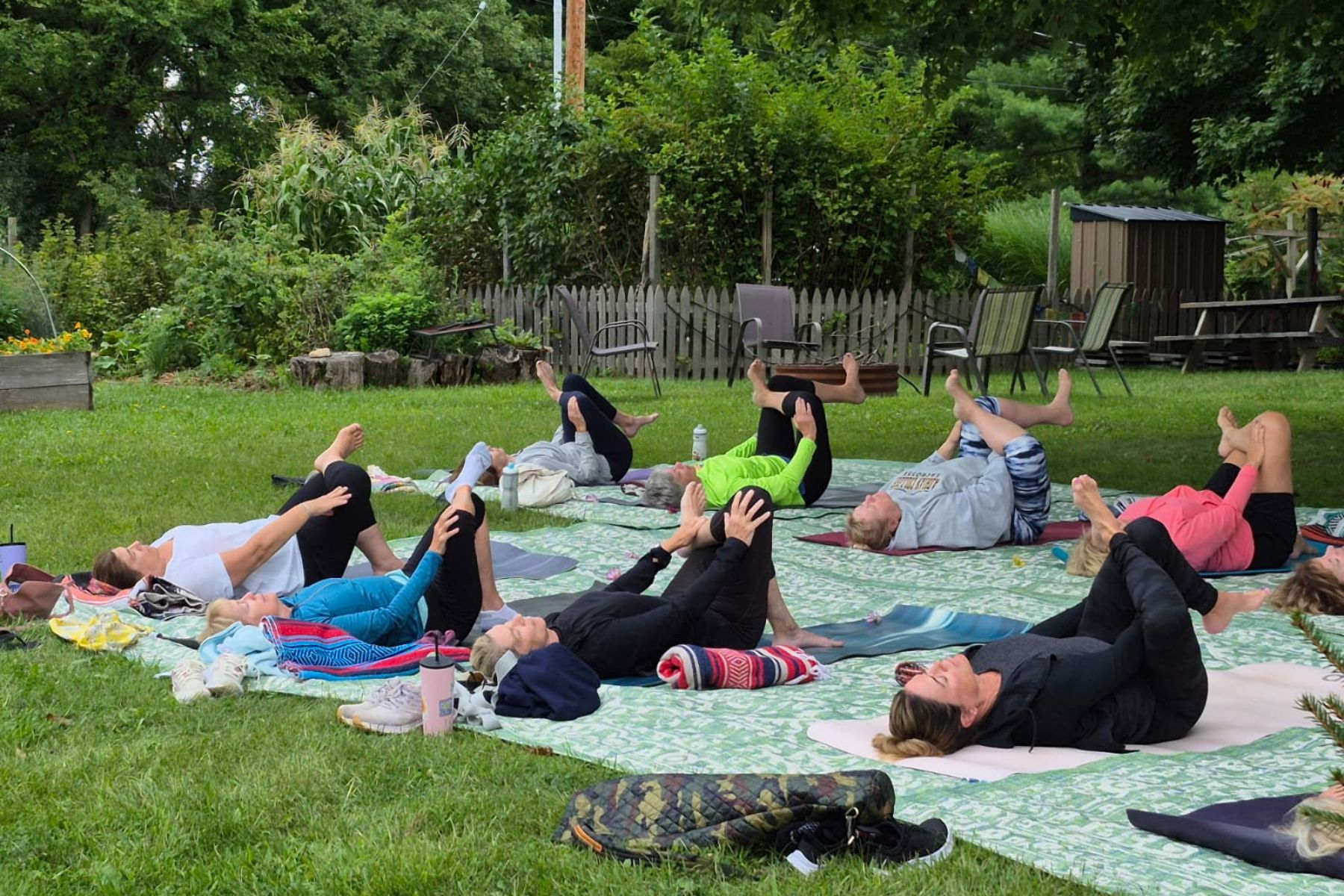
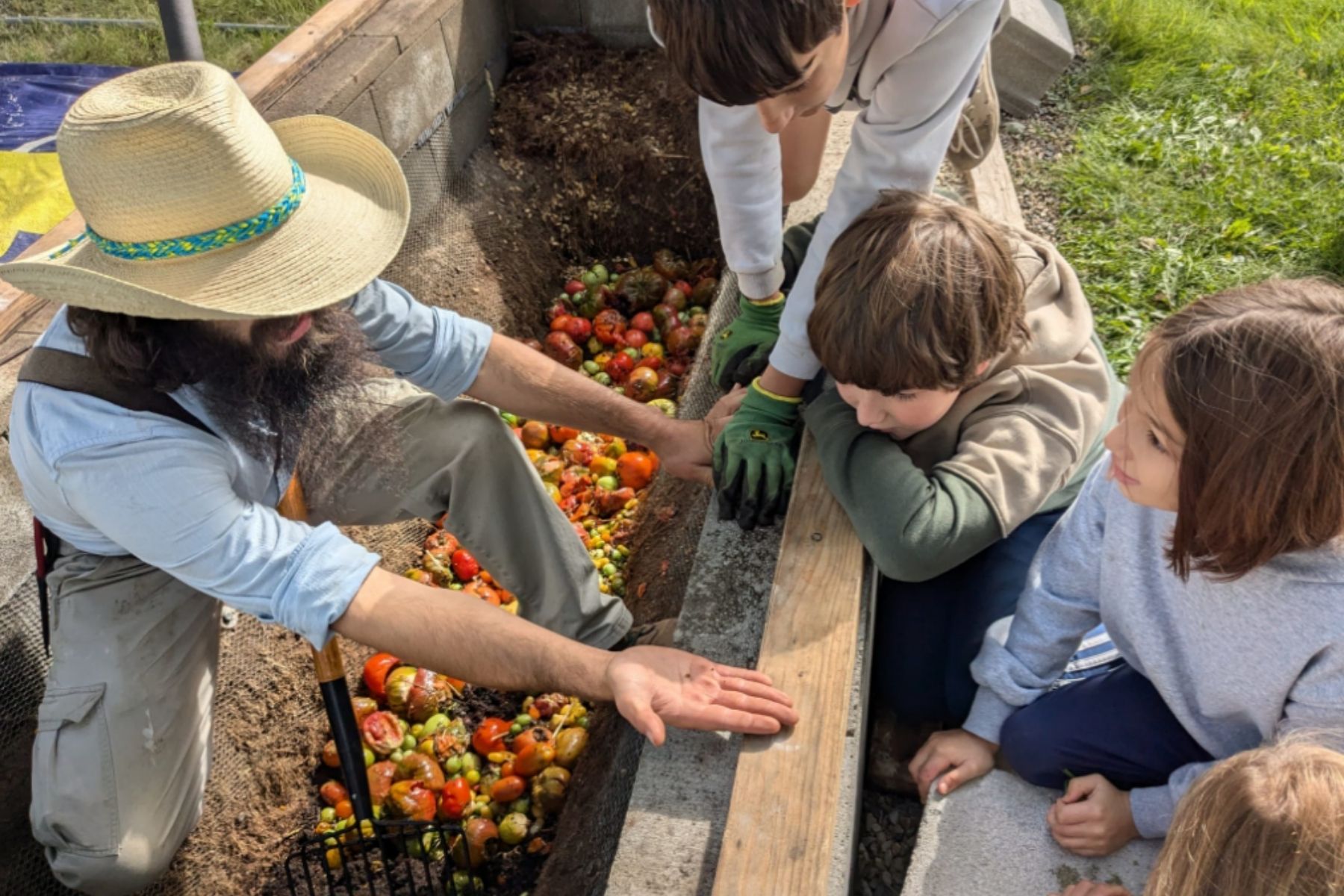
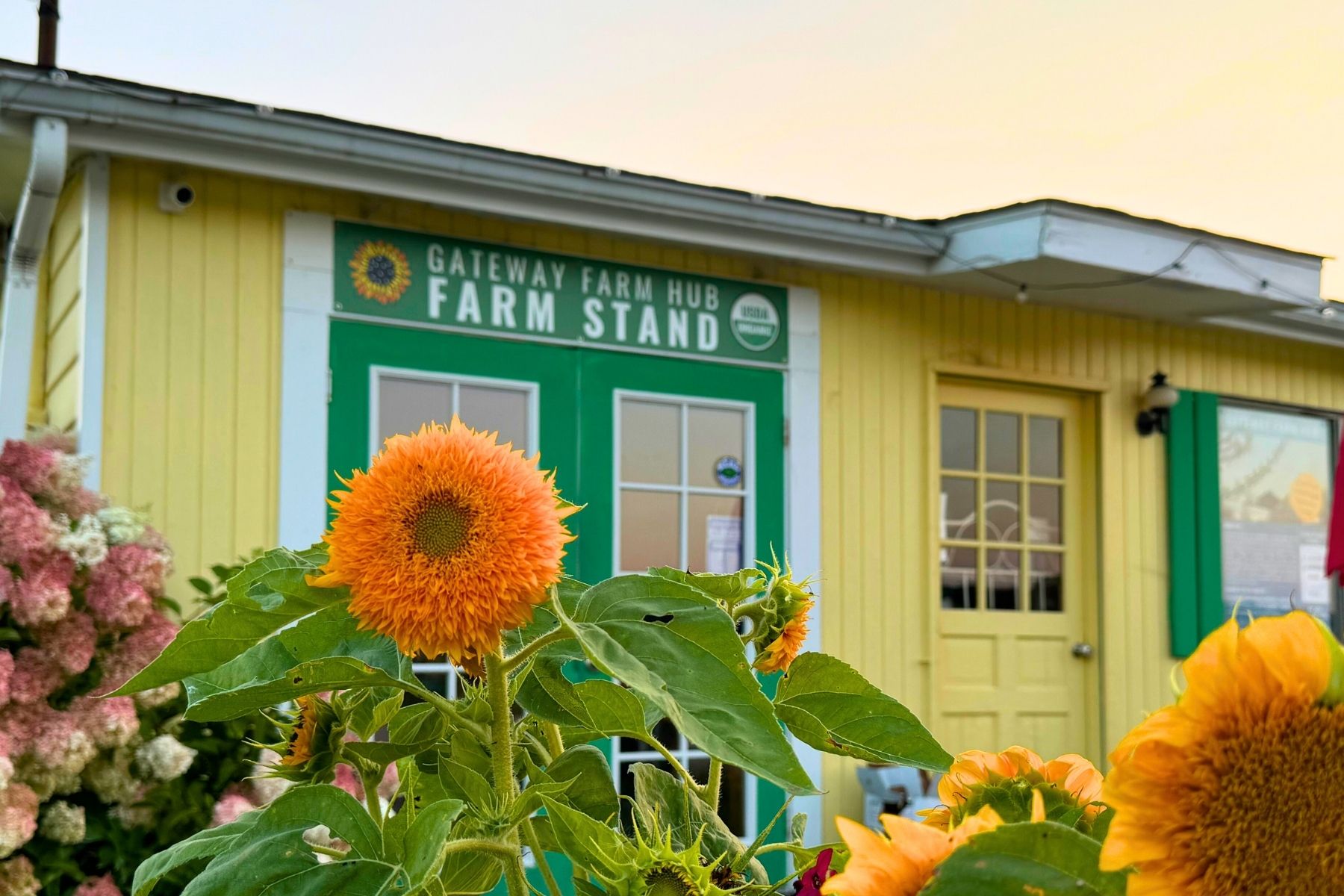
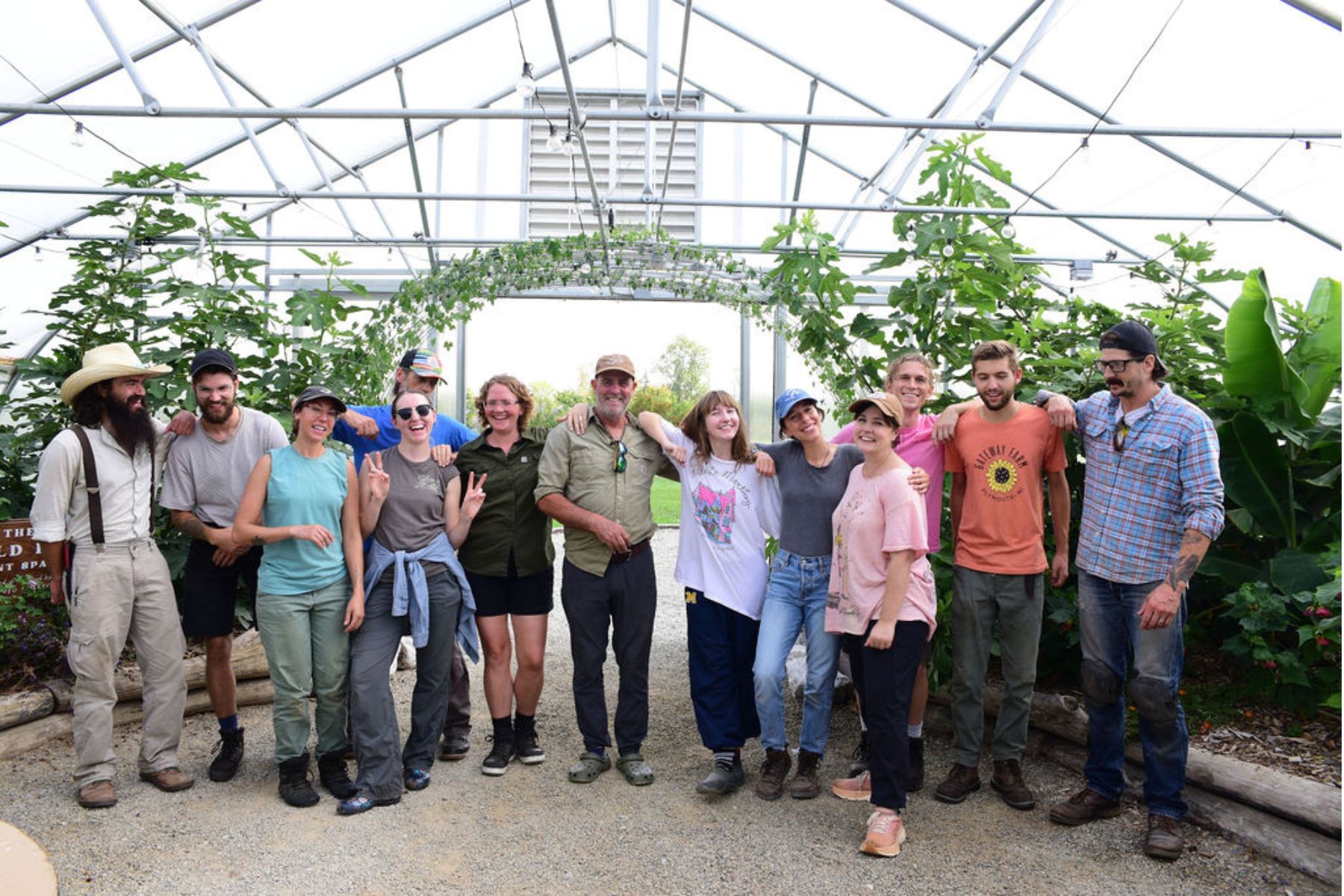
In one, Gateway Farm was operating as usual: producing certified organic food, hosting events, welcoming thousands of visitors, employing staff, and steadily growing its reputation as a high-profile regenerative demonstration and destination farm.
In the other, we were facing the very real possibility that the farm might not survive.
The project needed new ownership and aligned investment to continue. Without that, the business, the jobs, the community hub, the ecological work—all of it—would end. And, in time, almost inevitably become yet another subdivision or high end event venue.
Our strategy was deliberate and careful. We chose to seek 'investment' and keep the listing of the farm private, reach out to our wide network and share the news thoughtfully. We chose not to publicly announce that the farm was 'for sale' right away. Doing so too early would likely have collapsed staff morale, shaken community confidence, and reduced revenue at exactly the moment we needed to demonstrate improving financial performance. We knew the farm held real value—ecological, social, cultural, and economic—but how could that be seen, and how could it be translated into something legible in business accounts and prospectuses?
So we carried on. We refined business models, rewrote projections, developed investor materials, hosted endless farm tours, and explained—over and over—what organic, regenerative, community-engaged farming actually is, and why it matters. All the while, we held the positive public vision of Gateway’s future, even as the ground beneath it felt increasingly unstable.
This is a particular kind of labour that rarely makes it into sustainability storytelling.
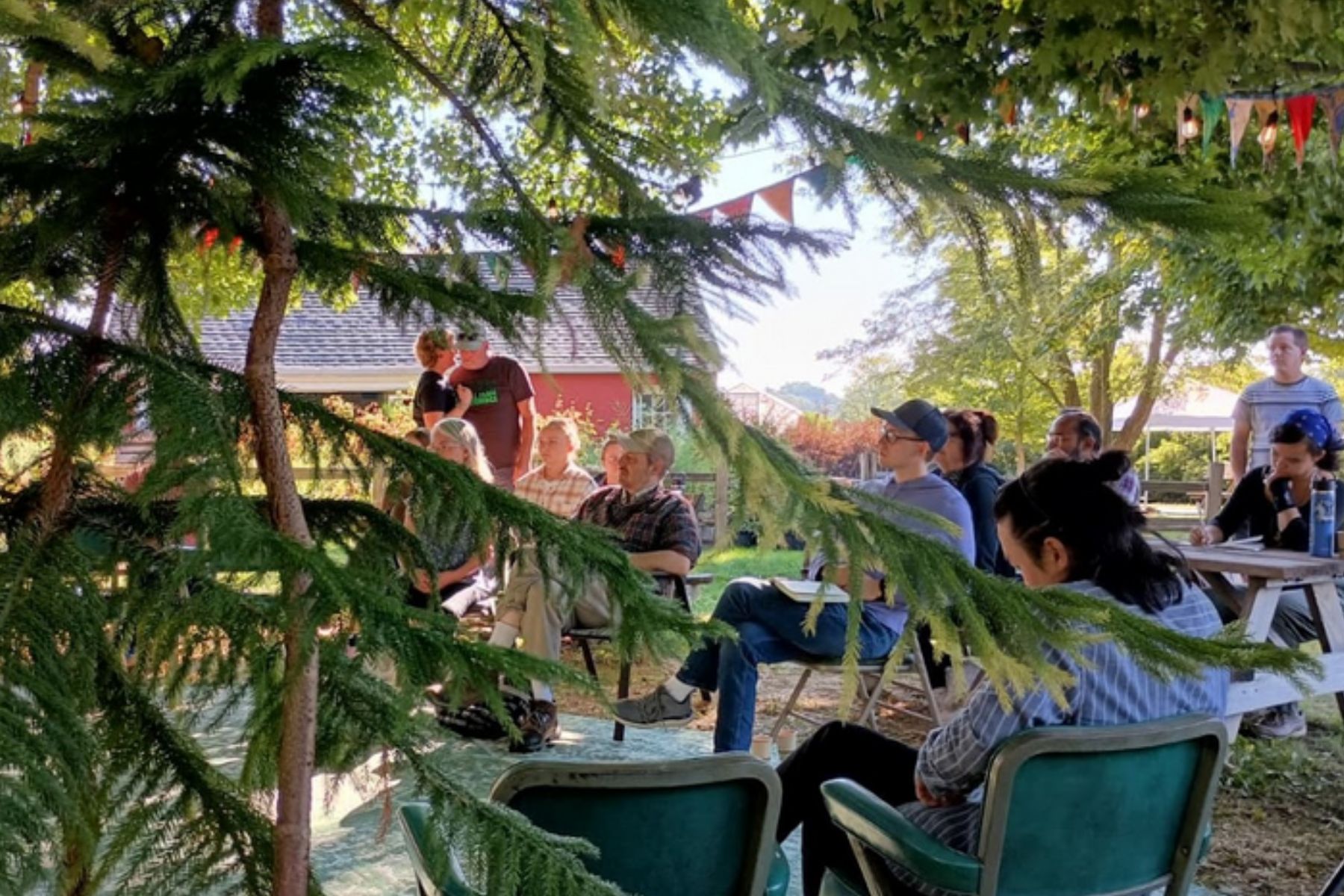
The Weight of Leadership
Six weeks before a hard deadline, we made the decision to be fully transparent. One last ditch effort to save the farm and all of our jobs. The offers received and the conversations we had so far in this process were clear that the farm would not look the same—the community access would change dramatically, and we and our incredible team would lose our jobs. We launched a final social media campaign stating plainly that without new buyers or investors, Gateway Farm would close.
Around this same time, Charlie traveled to Australia for his father’s funeral—and due to visa complications has not yet been able to return to Michigan. Suddenly, we were operating across continents and time zones, switching into our long-distance working mode, adjusting roles, communication systems, and responsibilities, while the future of the farm hung in the balance.
We were honest with our staff as well. We told them there was no guarantee of employment beyond the New Year. And thankfully still, no one left.
Instead, something remarkable happened.
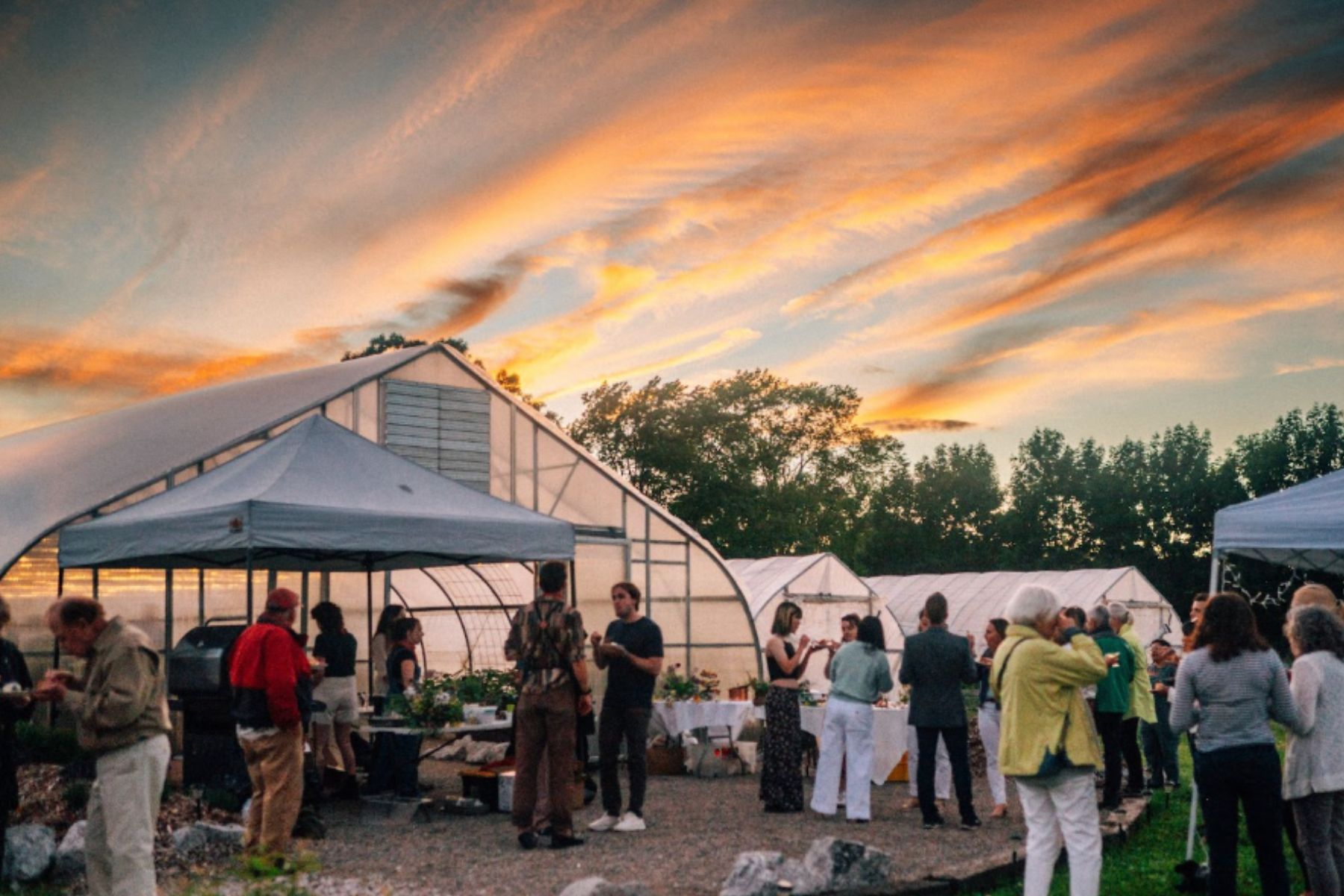
When Community Shows Itself
The response to that final campaign was overwhelming. Hundreds of messages arrived from people who could not accept that their farm—their place of food, refuge, work, learning, and belonging—was about to disappear.
People offered donations, professional services, introductions, investment, advocacy, and care. Long-time CSA members, event guests, neighbours, collaborators, and supporters stepped forward, making visible a truth we had always sensed but had never seen so clearly articulated: Gateway Farm mattered deeply, to many, in ways that went far beyond produce or programming.
The imminent loss of the farm galvanised everyone—staff, community, and ourselves—and clarified what Gateway truly represented: a one-off opportunity to continue an established, world-class, organic regenerative farm rooted in place and relationship. A genuine Gateway to the Future.
For much of 2025, we were operating in a state of sustained intensity—holding imminent personal, financial, community, and ecological distress in one hand, while presenting calm, confidence, and enthusiasm for the future in the other. It has been, quite simply, exhausting.
And now, slowly, the pressure is easing.
Remaking the Structure
After an 18-month process, Gateway Farm is now around 90% of the way through a successful transition into a community-based, multi-investor farm.
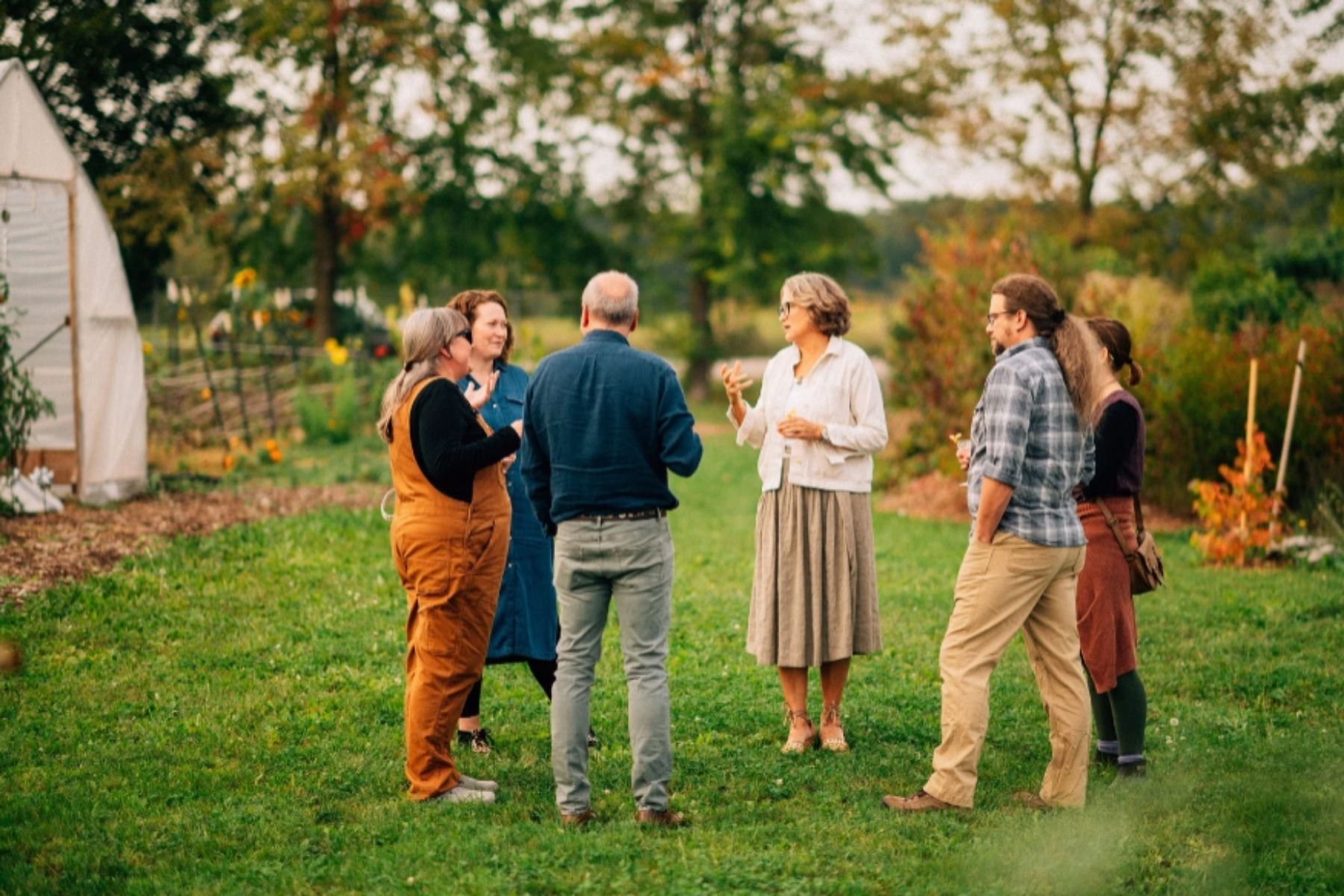
This next iteration includes a board and group of value-aligned, proactive professionals—many of whom have been connected to Gateway for years as CSA subscribers, farm-to-table dinner guests, collaborators, and community members. This is not a speculative takeover, but a continuation of stewardship, responsibility, and care.
The relief we feel is hard to overstate. So is the gratitude.
Throughout the sale process, we were forced to refine long-term business planning and projections for 2026–27 and beyond. In doing so, the farm’s value—real, grounded, and hard-won—became clearer. We are now looking forward to getting to know our new investors and board, and to working within this remade structure.
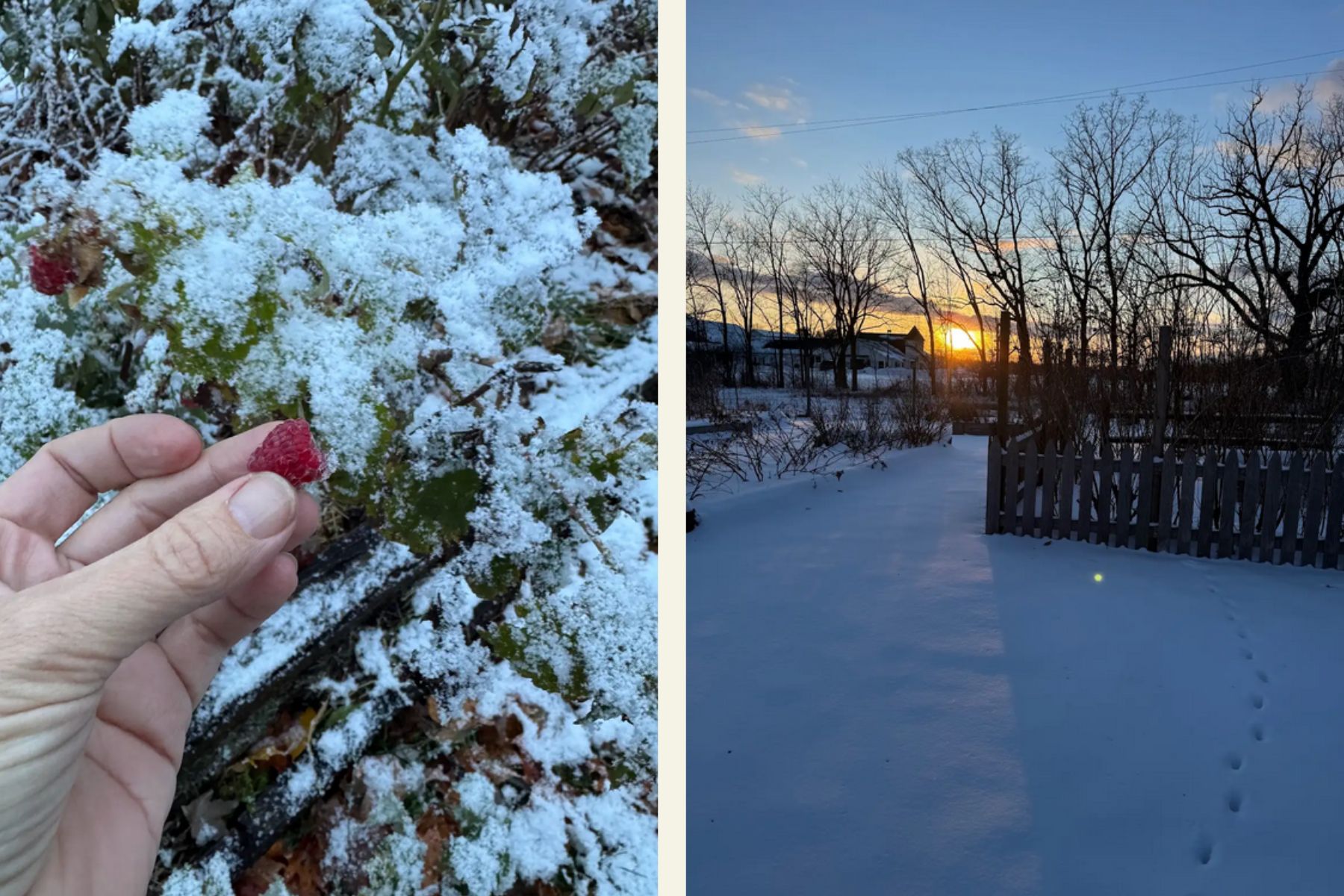
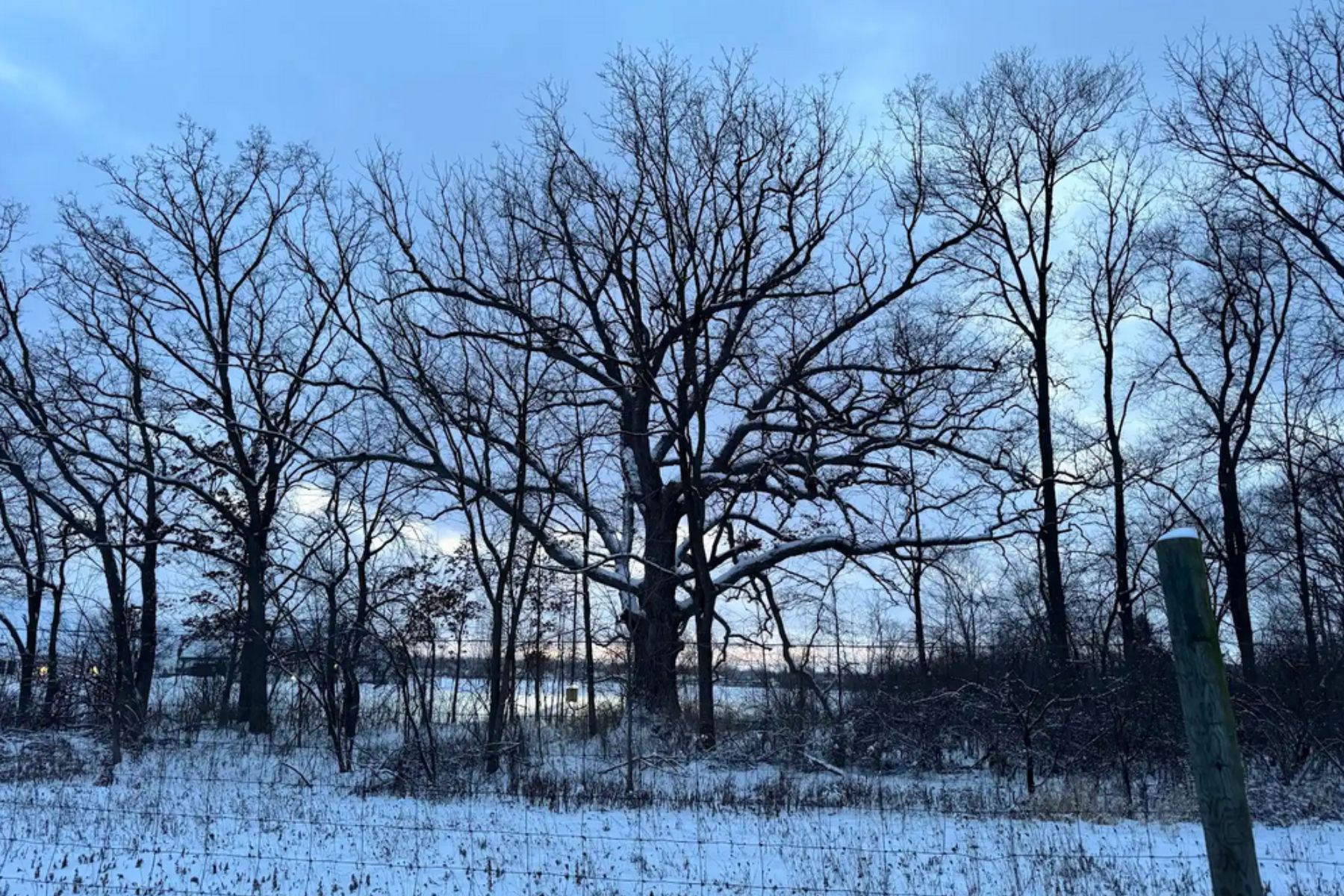
We continue as Directors of Gateway Farm, working with the new investors and board to steward this next iteration of the farm. At the same time, we are rapidly planning the coming seasons: crop plans, CSA offerings, pest management, staffing, events, education, and renewed collaboration with partner organisations—all while navigating one of the coldest, snowiest Michigan winters in recent memory. It's -14°F/-26°C as we write this.
Remaking, it turns out, does not wait for ideal conditions.
Sustaining Sustainability
There is a wider context here that feels important to name.
It has been our tragic and heart-breaking experience that many deeply worthy sustainability projects—involving people, land, and community—flourish briefly and then end. This includes many of the projects that we, and our teams, have dedicated ourselves to over the decades. Funding disappears. Key people burn out. Ownership changes. The work dissolves, and places are lost again.
Perhaps our greatest challenge is not designing sustainability, but sustaining it—defending these projects through transitions, uncertainty, and fatigue.
What has happened at Gateway Farm does not feel like a miracle. It feels like the result of years of relationship-building, integrity, transparency, and persistence—combined with a community that refused to let something essential vanish quietly.
We are deeply heartened by what is now unfolding here in Plymouth, Michigan.
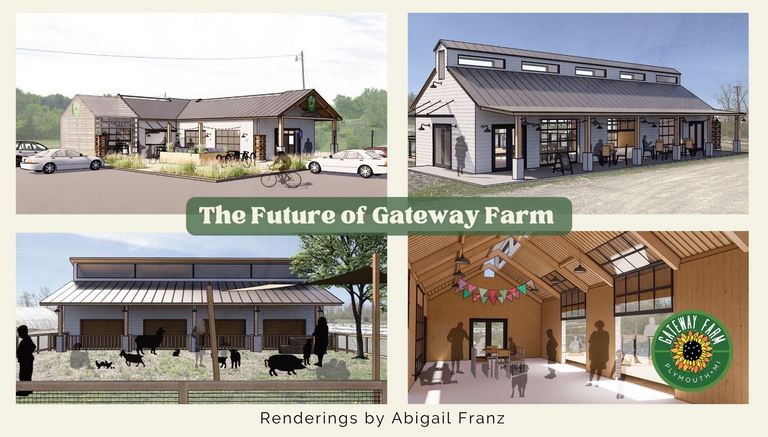
Looking Ahead
As Gateway Farm moves into 2026 and beyond, we feel newly confident and cautiously enthusiastic. The work continues: growing food, rebuilding soils, supporting staff, welcoming community, deepening education, and tending the living systems that make this place what it is.
We are also very aware of how close it came to ending.
This remade Gateway Farm carries forward not only infrastructure and crops, but lessons—about resilience, about governance, about community, and about the very real effort required to keep good places alive in a world that often undervalues them.
We are trying our best.
And this time, Gateway Farm continues. Hopefully it then flourishes, jumping to the next levels. It is our greatest challenge to convey to the wider community how fundamentally important to our collective futures this kind of success is.
Learn more about our work at Gateway Farm
Documentary:
Gateway Farm Hub: Building Regenerative Futures
Good Juju Articles:
Keynote: Regeneration Through Permaculture, Re-wilding & Community Engagement
Keynote: Designing Healthy Future Farms
And our recent article in Permaculture Magazine UK:
"From Golf Course to Thriving Farm" (Spring 2026, pm127)